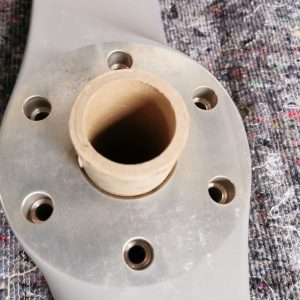
New, Never Installed should be evaluated through its data plate, serial number, dimensions, hub, mounting arrangement, storage condition, documentation, and approved aircraft-and-engine applicability.
The shortened Sensenich 74DM6 Propeller description can improve search visibility, while the complete part number should remain available for technical review.
A Sensenich Fixed-Pitch Propeller may also be categorized as a Sensenich Aluminum Propeller or Fixed-Pitch Aluminum Propeller when the exact material and configuration are confirmed.
Correct dimensional and installation research supports safer and more efficient propeller selection.
The Certified Aircraft Propeller description should distinguish the approved propeller design from the current serviceability and installation eligibility of the individual unit.
Understanding the 74DM6-0-60 Model Number
Every digit, letter, dash, suffix, alteration stamp, and serial marking should be recorded because similar-looking propellers can have different applications or dimensional configurations.
The buyer should determine whether the propeller remains in its original manufactured configuration or has undergone any pitch adjustment, diameter reduction, refinishing, inspection, trial fitting, repair, or alteration.
Separating Storage History from Serviceability
This condition can provide significant value, but it does not independently confirm current serviceability after storage, transport, or repeated handling.
Any temporary mounting or dimensional checking should be disclosed clearly.
Sensenich Fixed-Pitch Propeller Design
The 74DM6-0-60 should be selected using applicable technical data rather than general claims about improved climb or cruise performance.
The pitch configuration affects engine RPM, acceleration, climb characteristics, cruise behavior, and overall loading.
Protecting Aluminum Propeller Surfaces
Material condition should be reviewed by appropriately qualified aviation personnel.
Responsible care supports the condition of the Aluminum Aircraft Propeller.
Measuring the 74DM6 Propeller
Propeller diameter affects ground clearance, tip speed, engine loading, airframe clearance, and aerodynamic performance.
A difference between documented and measured dimensions should be investigated before installation.
Understanding the 60-Inch Pitch Propeller
Verified configuration helps buyers understand the intended application of the 60-Inch Pitch Propeller.
Any pitch modification should be completed by an appropriately qualified facility and documented accurately.
Lycoming O-320 Propeller Compatibility
A propeller approved for one O-320-powered aircraft may not be approved for another aircraft using a different engine variant, airframe, spinner, or installation configuration.
The engine and propeller combination must remain within applicable RPM and power limitations.
Inspecting the Complete Propeller Assembly
Matched blade condition supports smoother propeller operation.
The buyer should examine both blades for differences in paint, coating wear, pressure marks, corrosion, shape, tip condition, and packaging contact.
Preparing the Replacement Aircraft Propeller
A genuinely never-installed propeller should not show unexplained fretting, bolt loading, or flange-contact patterns.
Professional hardware selection protects the engine and Replacement Aircraft Propeller.
Identifying Storage and Handling Concerns
A propeller should not be assumed free from defects solely because it has never been operated.
Detailed surface review helps support the claimed new condition.
Identifying Moisture-Related Damage
Complete corrosion evaluation supports responsible purchasing.
Periodic inspection can identify developing coating or environmental concerns.
Supporting Installation Eligibility
Documentation should be interpreted according to its specific wording, scope, and serial-number reference.
Installation eligibility depends on the exact aircraft, engine, configuration, approved data, and applicable maintenance requirements.
Reviewing Purchase and Storage Records
Reliable traceability improves professional buyer confidence.
Records should remain protected from alteration, moisture, loss, and separation from the propeller.
Buying the Sensenich 74DM6-0-60
The buyer should obtain enough information for a qualified propeller specialist or aviation mechanic to review the component.
- Resolve identity, applicability, dimensions, condition, and package-completeness questions before payment.
- Do not treat original packaging, clean paint, new wording, or never-installed status as proof of present serviceability.
- Report freight damage, missing documentation, identification differences, corrosion, finish defects, blade damage, or dimensional discrepancies promptly.
Aircraft Propeller Crating Requirements
Moisture-resistant wrapping may be appropriate when it does not trap condensation against the aluminum.
Careful freight preparation reduces damage risk to the Sensenich Aircraft Propeller.
Preventing Corrosion and Handling Damage
Responsible storage preserves the future usefulness of the Aluminum Aircraft Propeller.
Identification labels, serial records, release documents, and included hardware should remain associated with the correct propeller.
Completing the Propeller and Spinner Assembly
Professional installation protects Fixed-Pitch Aluminum Propeller the propeller, engine, and airframe.
The propeller should seat correctly against the approved mounting arrangement without rocking, binding, forced alignment, or surface contamination.
Authorized personnel should complete all required maintenance records and return-to-service actions.
Caring for the Fixed-Pitch Aluminum Propeller
Unapproved filing or sanding can remove excessive material and alter the blade geometry.
Maintenance records should identify inspection findings, measurements, corrective action, parts, dates, and personnel involved.
Buying P/N 74DM6-0-60
Original packaging can improve presentation and provenance but does not replace physical examination.
Availability of qualified maintenance support and approved installation data can influence long-term ownership value.
74DM6-0-60 Aircraft Propeller Conclusion
When thoroughly evaluated, documented, packaged, installed, and maintained, the Sensenich Propeller – P/N 74DM6-0-60
The unit should not be judged solely through original packaging, clean factory paint, new wording, never-installed status, or purchase price.
Whether maintenance teams are sourcing a Two-Blade Aircraft Propeller, Sensenich Aircraft Propeller, Replacement Aircraft Propeller, or Certified Aircraft Propeller, professional inspection and installation should precede operational use.
With verified identity, suitable dimensions, documented storage, acceptable physical condition, professional installation, and routine maintenance, the propeller can provide dependable long-term value.